


Aura: Daily I AM Affirmations
4.8235.00 Reviews
App Specs
- Version
- 1.4.3
- Updated On
- License
- Free
- Downloads
- 100,000+
- Developer
- UPLOSS LIMITED
- Categories
- Lifestyle
- Platform
- Android
Screenshots
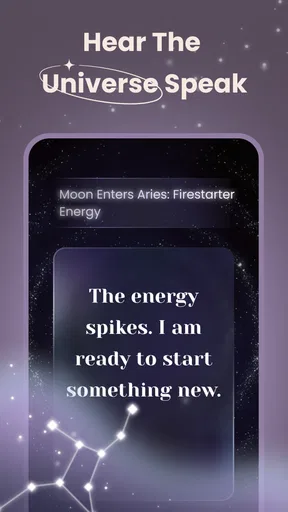
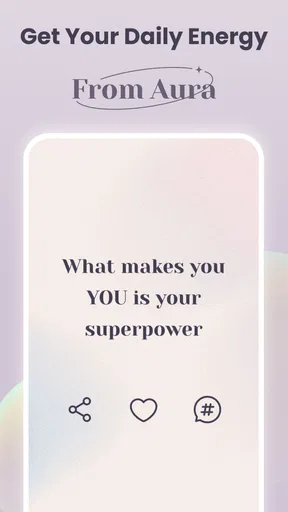
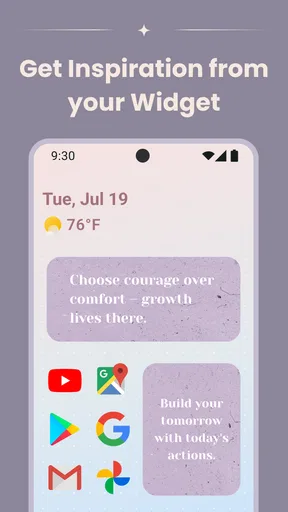
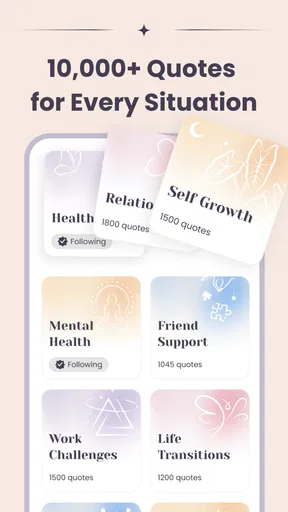
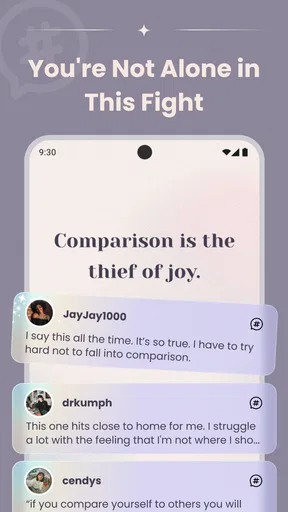
 Analysis by AppCompare
I approached Aura: Daily I AM Affirmations as a small daily wellness tool rather than a full meditation platform. Its focus is simple: place encouraging “I AM” statements where I can see them and turn a brief pause into a more positive habit. That narrow purpose is also its main appeal. I do not have to open a long course, choose a complicated program, or set aside half an hour. The experience is built around short reminders that fit into ordinary moments.
Developed by UPLOSS LIMITED, this free lifestyle app is aimed at anyone who wants a gentle prompt for self-kindness during the day. It is available to an Everyone audience, runs on operating system version 10 or later, and includes optional purchases ranging from $2.99 to $49.99 per item. The current release is version 1.4.3, and the app has already passed 100K installs with an average rating of 4.8 from around 4K ratings. Those figures suggest that its straightforward approach has found a receptive audience, although popularity alone does not make an affirmation useful for every personality.
How the affirmation experience fits into a connected phone
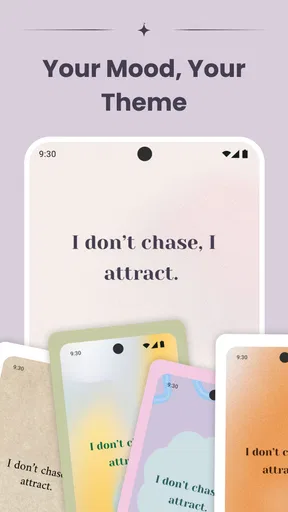
The most important part of the experience is not a long session inside the app. It is the way the app can bring an affirmation into the rhythm of using a phone. The store summary highlights I AM affirmation widgets, so the practical value comes from making a positive phrase visible without requiring a deliberate visit to a wellness app every time. That changes the habit from “I should remember to practise” to “I happened to see a reminder while checking my phone.”
In my view, this is where connectivity matters indirectly. A widget or daily prompt belongs to a phone environment that is constantly updating, syncing, and displaying information. When my connection is stable, the app feels like part of that living routine rather than a separate journal I must remember to open. I can imagine setting it up before a busy day, then encountering the message while checking the time, reading a notification, or waiting for another app to load.
That convenience should not be confused with a complete mental-health solution. An affirmation can redirect my attention, but it cannot replace counselling, medical care, or practical action when the underlying problem is serious. I found the best way to use this type of app is as a small cue: read the phrase, take a breath, and connect it to something I can actually do. “I am capable” becomes more useful when it leads me to send the difficult email, begin a task, or take a needed break.
Why the widget approach feels different from ordinary alternatives
The usual alternatives in this category ask me to open an app and complete a meditation, write in a journal, listen to audio, or follow a structured exercise. Those formats can offer more depth, especially when I need guidance. Aura’s approach is lighter and more ambient. It does not compete with a full meditation session; it occupies the few seconds around one.
That trade-off is important. If I want breathing instruction, sleep stories, mood tracking, or a detailed personal programme, I would look elsewhere. If I want a short phrase that can interrupt automatic scrolling with something constructive, the widget concept is more suitable. The app’s strength is not variety for its own sake. It is the possibility of making one supportive thought difficult to miss.
Worth Reading Before You Choose

Flipboard Shows What News Apps Must Do Beyond the Feed

Switching to Android Auto Means Rethinking Your Driving Routine

Google Calendar Makes a Crowded Week Easier to Manage

Ludo King Makes the Most of the Minutes Between Plans

Baby Panda World Brings Quick Play to Modern Phones, but Its Game Library Feels Busy

ESPN’s Live Game View Makes Following Close Games Easier
I also think the wording matters. “I AM” statements are personal and direct, so they can feel more active than a general quotation. At the same time, some people dislike affirmations that sound too absolute. Someone dealing with low confidence may find “I am successful” emotionally distant rather than comforting. In that situation, a gentler statement that feels believable may work better. The app is worth trying, but I would judge it by whether its language helps me engage, not by whether every phrase sounds inspiring.
Using it during real mobile moments
A realistic routine would be a crowded morning: I check my phone before leaving home, see the affirmation, and use it as a one-minute reset before opening work messages. The point is not to turn the morning into a ceremony. The point is to add a small pause before the day starts making decisions for me. A similar use works during a commute, before a presentation, or after an uncomfortable conversation, provided I treat the message as a prompt rather than a guaranteed mood change.
For this kind of use, I would place the widget somewhere visible but not overwhelming. A home screen that is already packed with news, shopping, and social media can turn a positive reminder into visual clutter. Giving it a calm, intentional position makes it easier to notice. I would also avoid placing it beside apps that encourage hurried checking, because the surrounding screen can undermine the reflective moment.
Another useful workflow is to pair the affirmation with a specific daily transition. For example, I might read it before starting a study block, then write down the single task I will complete. This turns an abstract message into a behavioural cue. It is a more realistic expectation than waiting for repeated phrases alone to transform motivation.
What happens when the connection is unreliable
Because the experience is tied to a modern phone interface, network conditions can shape how smooth it feels. A weak signal may affect the moments when the app needs to refresh content or communicate with its surrounding mobile environment. I would not build an important routine around assuming that every update will appear instantly in a basement, on an aeroplane, or in a crowded venue with overloaded service.
This does not make the app unsuitable for travel or commuting, but it changes how I would prepare. Before leaving a reliable connection, I would open the app and make sure the setup I want is already in place. I would also keep a simple personal fallback, such as writing one favourite affirmation in a notes app or on paper. That is not a criticism of the concept; it is sensible planning for any routine that depends on a connected device.
The distinction between a visible widget and fresh content is especially important. A message already present on the phone may remain useful even when the network is poor, while refreshing or changing content may be less predictable. Since the app’s appeal is its daily presence, a short interruption is unlikely to ruin the entire habit, but a user who expects constant live updates should keep expectations practical.
Recovery after interruptions and missed days
Wellness apps can accidentally create pressure by making a missed day feel like failure. I prefer to treat Aura as forgiving: if I overlook a reminder, I can simply resume at the next natural moment instead of trying to compensate with a longer session. The app is most helpful when it reduces friction, not when it becomes another task to feel guilty about.
If a widget stops behaving as expected, my first response would be ordinary phone maintenance: check the connection, reopen the app, review whether the widget is still positioned correctly, and restart the device if necessary. I would then return to the routine rather than repeatedly adjusting it. A tool designed for calm should not require constant troubleshooting.
This is also where the app differs from a structured course. Missing a day in a course can mean losing a sequence or falling behind a plan. A daily affirmation is more modular. Each encounter can stand on its own, which makes recovery easier. The downside is that the app may provide less momentum for people who need lessons, progress markers, or accountability to continue.
Using it carefully with mobile data and attention
For data-conscious users, the sensible approach is to make the app part of a controlled phone routine rather than leaving every connected service to run freely. I would set it up while on a trusted connection, avoid repeatedly opening it just to chase a new message, and check the phone’s own data controls if usage is a concern. The goal is not to turn a simple affirmation into another source of monitoring anxiety.
There is also a different kind of data cost: attention. A widget can be helpful because it is visible, but visibility can become distraction when I am already checking the phone too often. I would use it as a reason to pause, not as an excuse to keep refreshing the screen. If seeing the widget leads me into social feeds or notifications, the surrounding phone habits deserve more attention than the affirmation itself.
The optional purchase model is another point to consider. The app is free to start, while individual in-app purchases range from $2.99 to $49.99. I would begin with the free experience and decide whether it genuinely fits my routine before paying for extras. A higher-priced option only makes sense if it adds something I will use consistently; paying for motivation does not automatically create motivation.
Who will get the most from this app?
I would recommend it to people who enjoy short, positive prompts and want encouragement integrated into the phone’s home screen. It suits someone who finds long meditation sessions intimidating, someone building a morning routine, or someone who wants a constructive interruption during a stressful workday. It can also work for users who already journal or meditate and want a lighter reminder between deeper practices.
I would be more cautious about recommending it to a person who dislikes motivational language, prefers evidence-based mood tools, or wants detailed tracking. It is also not the right choice for someone seeking crisis support or treatment. The Everyone age rating makes it broadly accessible, but broad accessibility should not be mistaken for professional care. A child, teenager, or adult with significant distress may need support from a trusted person or qualified professional rather than relying on an affirmation app.
People who rarely use widgets may also find that the central idea loses its impact. If I never look at my home screen, the app becomes just another icon. In that case, a guided audio app, paper journal, or reminder system may fit better. The best alternative depends on whether I need passive visibility, active instruction, or a place to process complicated feelings.
My practical setup for a sustainable routine
I would begin with one placement and one daily moment, not a crowded collection of reminders. After reading the phrase, I would ask myself a concrete question: what small action would support this statement today? That might mean drinking water, preparing a difficult task, speaking more patiently, or taking a pause before replying. This method prevents the experience from becoming decorative text disconnected from life.
I would also review the emotional effect after several days. If the wording feels encouraging, I would keep the routine. If it feels forced, I would reduce exposure or choose a different kind of tool rather than blaming myself for not responding correctly. Affirmations are personal; a phrase that helps one user may irritate another. The app should serve my mindset, not dictate it.
Finally, I would keep the network issue in perspective. A stable connection can make the setup and updating experience smoother, but the habit should not collapse whenever service is weak. Preparing the phone in advance and keeping a simple backup phrase gives the routine resilience without making unsupported assumptions about offline behaviour.
My verdict on Aura’s connected approach
Aura: Daily I AM Affirmations works best as a quiet, visible nudge rather than a complete wellness system. Its widget-centred design gives affirmations a practical place in everyday phone use, and its free entry point makes it easy to test without committing immediately. The strong average rating and more than 100K installs show clear interest, while the straightforward format explains why it can feel approachable.
My recommendation comes with boundaries. I would choose it for a small daily reset, especially when I want encouragement without a long session. I would skip it in favour of a guided meditation, journal, or professional support option when I need depth, tracking, instruction, or help with serious emotional difficulties. Connectivity can influence the smoothness of the experience, so I would set it up thoughtfully and keep a basic fallback for unreliable signal.
Used that way, the app does not promise to solve every difficult day. It offers something more modest and, for the right person, more realistic: a brief reminder placed where daily life already happens. If that kind of gentle interruption sounds useful to you, the free version is a sensible place to begin. If motivational statements feel artificial or you want a structured programme, another lifestyle app will probably be a better match.
Pros
- Short daily sessions make affirmations easy to fit into busy routines.
- A broad range of themes supports confidence
- calm
- focus
- and self-worth.
- Audio delivery can make repeating affirmations feel more immersive.
- Gentle reminders encourage consistent practice over time.
- Clean presentation keeps the experience simple and distraction-free.
Cons
- Some content may feel repetitive after extended daily use.
- Personalization options may be limited for users wanting custom affirmations.
- Certain features or affirmation packs may require a subscription.
- Affirmations alone may not address serious anxiety or mental health concerns.
- Frequent notifications could feel intrusive if reminder settings are not adjusted.
FAQs for Aura: Daily I AM Affirmations
What is Aura: Daily I AM Affirmations, and how does it work?
Aura: Daily I AM Affirmations is a personal-growth app designed to help you build a consistent positive-affirmation routine. After opening the app, you can read or listen to encouraging statements focused on confidence, self-worth, motivation, relationships, and other areas of daily life. The experience is generally simple: choose a topic or mood, review the suggested affirmations, and return regularly to reinforce a more positive mindset.
Is Aura: Daily I AM Affirmations suitable for beginners?
Yes, the app is easy to approach even if you have never used affirmations before. Its short, focused messages do not require special knowledge, meditation experience, or a complicated setup. Beginners can start with a few minutes each day, repeat statements that feel relevant, and gradually create a routine. However, results are personal and usually depend on regular use rather than reading a single affirmation once.
Does Aura: Daily I AM Affirmations offer reminders or personalized content?
The app is intended for daily use and may provide features such as scheduled reminders, affirmation categories, saved favorites, or content tailored to selected goals, depending on the version and platform. These tools can make it easier to return to the app consistently. Before downloading, it is worth checking the current store listing because available personalization options, notification controls, and premium features can change with updates.
Is Aura: Daily I AM Affirmations free to download and use?
Aura: Daily I AM Affirmations may be available to download for free, but some content or functions can require in-app purchases or a subscription. Premium access may include additional affirmation collections, audio sessions, customization tools, or an ad-free experience. Always review the app-store description, pricing, trial terms, and renewal conditions before starting a subscription, especially if a free trial automatically converts into a paid plan.
Can Aura: Daily I AM Affirmations replace therapy or professional mental-health support?
No. The app can be a useful self-care companion for encouraging thoughts, reflection, and habit building, but it is not a medical treatment or a replacement for a qualified therapist, counselor, or doctor. Affirmations may not be enough for serious anxiety, depression, trauma, or other mental-health concerns. If you are experiencing significant distress or thoughts of self-harm, seek professional help or contact local emergency services immediately.


